Building the infrastructure for design at scale.
Scaling teams, tools, and culture at Appian.
Operations
Streamlining the 'work about work'. Establishing tooling, file structures, and handoff protocols.
Mentorship
Growth happens through feedback. Structuring critique loops and career ladders.
Culture
Democratizing knowledge. Turning passive meetings into active learning workshops.
The Figma Migration
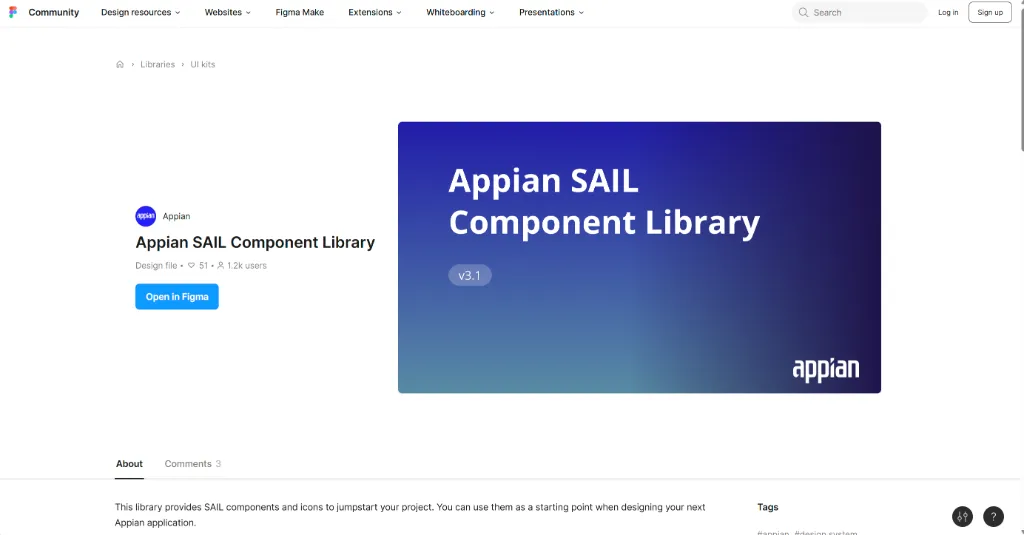
When I joined, the team relied on Sketch, which created friction in developer handoff and made maintaining our complex UI library difficult. I saw an opportunity to modernize our delivery workflow.
- The Strategy: I initiated a “Figma Hackathon” to evaluate if the tool could streamline building out Appian SAIL as usable design components. We needed to verify that features like Auto Layout and Variants offered a tangible efficiency gain over our legacy Sketch symbols.
- The Execution: Following the successful pilot, I established and led the Figma Library Working Group. We rebuilt our design system from the ground up, optimizing the components to behave like their code counterparts.
- The Impact: This initiative grew beyond internal use. We published the “Appian SAIL Design System” to the Figma Community, where it has been adopted by nearly 1,000 external users.
Onboarding & Growth
As the team expanded, I took an active role in shaping how new designers integrate into the complex world of enterprise software.
- Design Rotations: I managed rotations for new hires, acting as their primary partner to help them navigate the transition from general UX principles to Appian’s specific low-code constraints.
- Intern Program: During the summer months, I stepped in to facilitate our intern onboarding curriculum. My focus was on operationalizing their ramp-up time—ensuring they could move from “learning the tool” to “shipping a feature” within their short tenure.
The UX Chapter
I have led the UX Chapter, a monthly internal forum dedicated to raising the team’s collective bar through peer-to-peer learning. Since 2023, I have facilitated 35 sessions.
The Shift: I noticed early sessions had become passive lectures with low engagement. I restructured the format to focus on interactive workshops, where designers sign up to lead deep dives into new tools, emerging design standards, or conference takeaways.
The Outcome: This shift democratized knowledge sharing. Instead of relying on a few seniors to teach, every designer now contributes to the curriculum, fostering a culture where continuous learning is a shared responsibility.